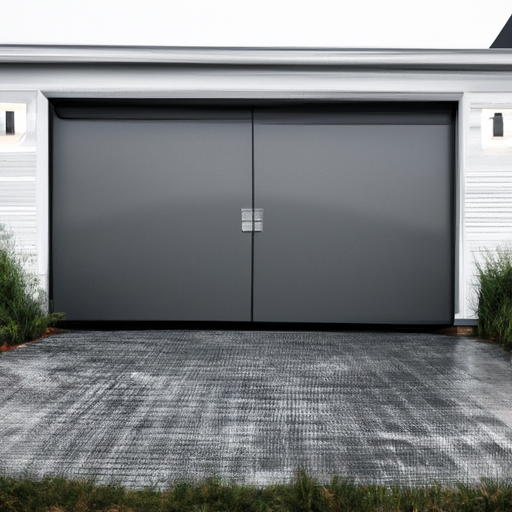
Homeowners in Scituate, MA face coastal weather, salt air, and seasonal storms that increase wear on residential garage doors. Whether you’re scheduling a routine tune-up or urgent garage door repair, safety should be the primary concern. This guide explains practical steps for safer garage door repair work, whether you plan a DIY fix or hire a pro.
Why safety matters for garage door repair
Garage doors are heavy mechanical systems under tension. A broken spring, frayed cable, or failing opener can cause sudden movement, crushing risks, and property damage. Prioritizing safety lowers the chance of injury and cuts long-term costs from improper repairs. If you need a deep dive on maintenance cycles, see our posts at https://garagedoors-scituate.com/blog for seasonal tips and checklists.
DIY vs. hiring a professional for garage door repair
Deciding between DIY and professional service starts with an honest assessment of risk. Simple tasks—tightening hardware, clearing tracks, or testing reversal sensors—are reasonable for many homeowners. High-risk repairs like spring replacements, cable work, or motor issues should be handled by experienced technicians.
When to call a pro
- Broken extension or torsion springs
- Frayed or snapped cables
- Off-track doors or warped panels
- Strange grinding noises from the opener
- Unknown electrical faults
For licensed, insured assistance and clear pricing, contact local experts through our https://garagedoors-scituate.com/services page.
Practical steps to improve safety during garage door repair
Follow a clear sequence before, during, and after any garage door repair. These steps help protect people and property and preserve the lifespan of the system.
1. Pre-repair checklist
- Power off the opener: Unplug the unit or switch off the circuit before touching electrical parts.
- Secure the door: Clamp the door to the track or place locking pliers on the rail to prevent accidental movement.
- Inspect springs and cables visually from a distance; do not try to unwind springs.
- Clear the work area: Remove vehicles, bikes, and children’s toys. Keep pets and kids away until the job is done.
- Read the manual: Manufacturer instructions often include safety warnings specific to your model of garage doors and opener.
2. Use the right tools and PPE
- Eye protection and heavy gloves
- Proper wrenches and socket sets
- Spring containment tools if you are trained to work with springs (most homeowners should not)
- Voltage tester for electrical checks
- Stable ladder and magnetic parts tray
Improper tools increase the chance of slips and stripped hardware. When in doubt, stop and call a professional.
3. Safe working practices during repair
- Work with a partner for large doors to manage weight and alignment.
- Test the door’s balance after adjustments by disconnecting the opener and lifting the door manually; it should stay open about 3–4 feet above the ground.
- Never attempt spring removal or installation without specific training—torsion springs are under extreme tension and can be deadly.
- Follow lockout/tagout for electrical parts: mark the circuit and keep it off until testing is complete.
4. Post-repair testing and maintenance
Once repairs are complete, run these checks to confirm safety and proper operation:
- Auto-reverse test: Place a 2×4 on the ground and lower the door; the door should reverse on contact.
- Photo-eye alignment: Ensure sensors are clean, aligned, and at the correct height.
- Listen for odd noises during operation—squeaks and grinding can indicate missed adjustments.
- Schedule routine inspections every 6–12 months to catch wear before it becomes hazardous.
Local considerations for Scituate, MA homeowners
Scituate’s coastal environment accelerates corrosion on rollers, springs, and fasteners. Salt air can degrade components faster than inland areas, so adjust maintenance frequency accordingly.
Weatherproofing and corrosion control
- Use stainless or galvanized hardware where possible for replacements.
- Lubricate moving parts with a silicone-based or lithium lubricant every 3–6 months.
- Inspect weather seals and bottom sweeps each season to keep water and salt spray from entering the garage.
Permits and local codes
Most minor repairs do not need a permit, but significant alterations—like changing an opener to a hardwired system or replacing structural components—may require local permits or inspections. When in doubt, ask the technician to confirm compliance or contact Scituate building officials.
Cost, timelines, and warranties
Typical local timelines: simple tune-ups can take 30–90 minutes; spring or cable replacements may take 1–3 hours. In Scituate, MA, expect a local service call fee plus parts and labor.
- Average ranges: tune-up $75–$200, spring replacement $150–$400 per spring (varies by door size and parts), opener replacement $300–$700+.
- Ask for written estimates that break down parts and labor; seasonal demand (winter storms or summer moves) can affect scheduling.
- Warranty: Look for parts and labor warranty details—many reputable providers offer 90-day to 1-year labor guarantees and manufacturer warranties on parts.
Need to discuss a specific safety concern or schedule a certified technician? Use our contact page to request a local inspection: https://garagedoors-scituate.com/contact.
Quick checklist before any garage door repair
- Turn off power and unplug opener.
- Secure and support the door.
- Wear eye protection and gloves.
- Confirm replacement parts match door specifications.
- Test auto-reverse and photo-eyes after the repair.
- Keep a local pro’s number handy for complex jobs.
For homeowners looking to improve safety and get reliable service, combining preventive maintenance with timely professional garage door repair helps avoid emergencies and ensures your door operates safely year-round in Scituate, MA.
Frequently Asked Questions
Q: How does Scituate weather affect garage door parts?
A: Salt air speeds corrosion on springs, rollers, and fasteners. Inspect for rust every 3–6 months and use galvanized or stainless replacement parts where possible.
Q: How long does a typical garage door repair take in MA?
A: Simple fixes like sensor realignment or lubrication take 30–90 minutes. Spring or cable replacement usually takes 1–3 hours, depending on door size and parts availability.
Q: What price range should I expect for common repairs?
A: Tune-ups run $75–$200. Replacing torsion springs often costs $150–$400 per spring. Opener replacements start around $300 and can go up with advanced features.
Q: Do I need a permit for major garage door work in Scituate?
A: Minor repairs usually don’t require permits. Structural changes, major rewiring, or altering garage openings may need local permits—check with Scituate building officials or ask your service tech to confirm.
Q: What warranties should I expect from local technicians?
A: Ask for written warranties: reputable providers offer labor guarantees (90 days to 1 year) and pass through manufacturer warranties for parts. Get warranty details in writing before work begins.
Helpful local resources in Scituate, MA
- Garage Door Repair Boston
- Garage Door Repair Cambridge
- Garage Door Repair Newton
- Garage Door Repair Lexington
- Garage Door Repair Wellesley
- Garage Door Repair Brookline
- Garage Door Repair Somerville
- Garage Door Repair Burlington
- Garage Door Repair Andover
- Garage Door Repair Weston
- Garage Door Repair Belmont
- Garage Door Repair Westwood
- Garage Door Repair Sharon
- Garage Door Repair Needham
- Garage Door Repair Concord
- Garage Door Repair Hingham
- Garage Door Repair Scituate
- Garage Door Repair Marblehead
- Garage Door Repair Natick
- Garage Door Repair Milton
- Garage Door Repair Acton
- Garage Door Repair Medfield
- Garage Door Repair Sudbury
- Garage Door Repair Wayland
- Garage Door Repair Hanover
- Garage Door Repair Tewksbury
- Garage Door Repair Carlisle
- Garage Door Repair Dover
- Garage Door Repair Hopkinton
- Garage Door Repair Framingham